 Back to home
Last updated Dec 4 2025
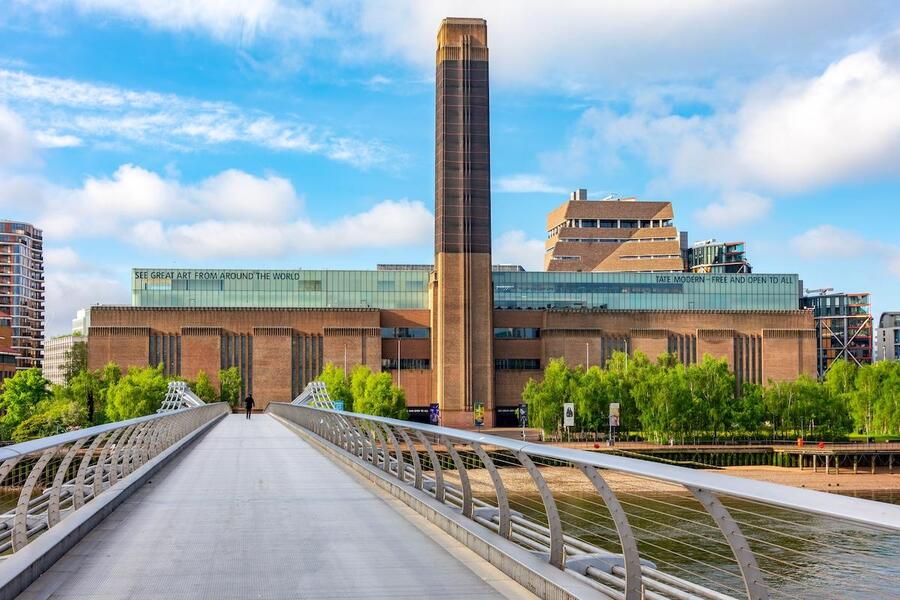
Explore the giants of modern art in just 60 minutes. This guide focuses on the Tate's absolute masterpieces, from Warhol's Marylins to Rothko's Seagram Murals. Experience the evolution of art from Surrealism to Pop Art and contemporary installation without getting lost in the vast galleries.
Planning your Tate Modern visit?
Your simple audio guide to the 10 must-see masterpieces
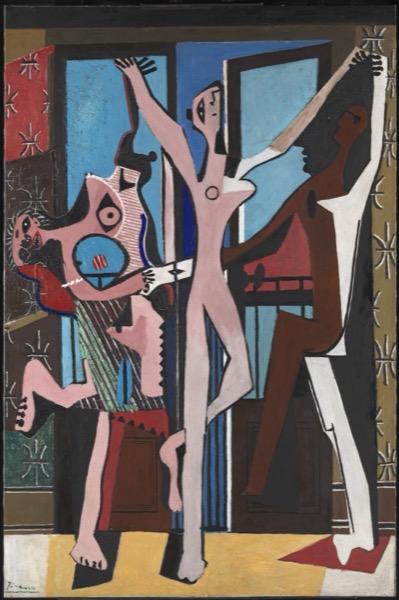
Pablo Picasso
Painted in 1925, this explosive work marks Picasso's shift to Surrealism. Triggered by a friend's death, the three distorted figures engage in a frenzy of violent ecstasy. Its psychological intensity and jagged forms bridge his classical period with his later explorations of violence and sexuality.
Listen to our audio tour sample
Enjoying the preview?
Free Audio Tour
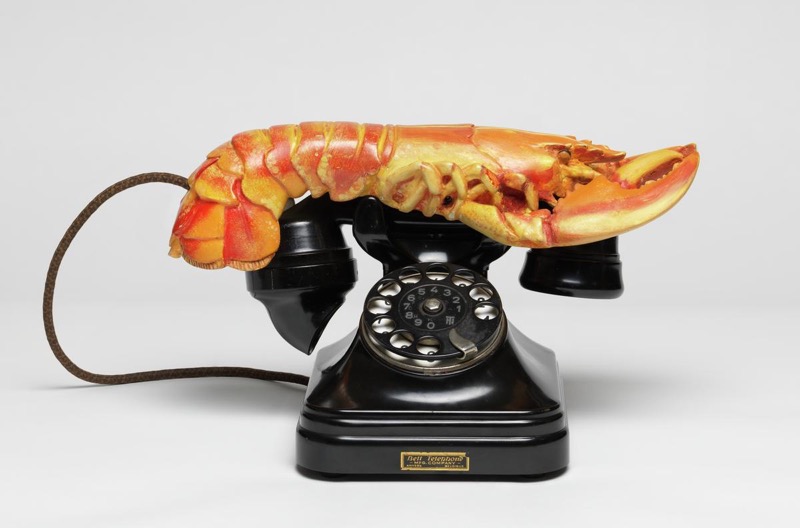
Salvador Dalí
This 1938 sculpture epitomizes Surrealist absurdity. By placing a plaster lobster on a working telephone, Dalí fused sexuality (lobster) with communication (phone) in a provocative, dreamlike object. Originally created for patron Edward James, it remains one of modern art's most recognizable icons of the irrational.
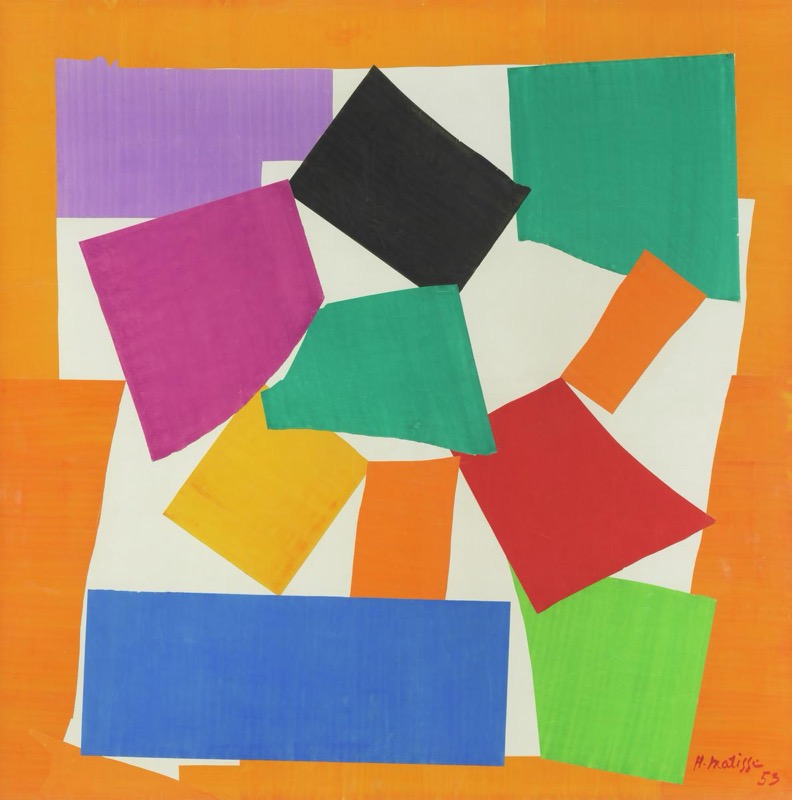
Henri Matisse
Created in 1953 when Matisse was bedridden, this masterpiece of "drawing with scissors" features spiraling colored rectangles. Despite his physical limitations, Matisse achieved perfect balance and radiant joy through pure color and form. It represents the artist's final triumph, reducing art to its vibrant essence.
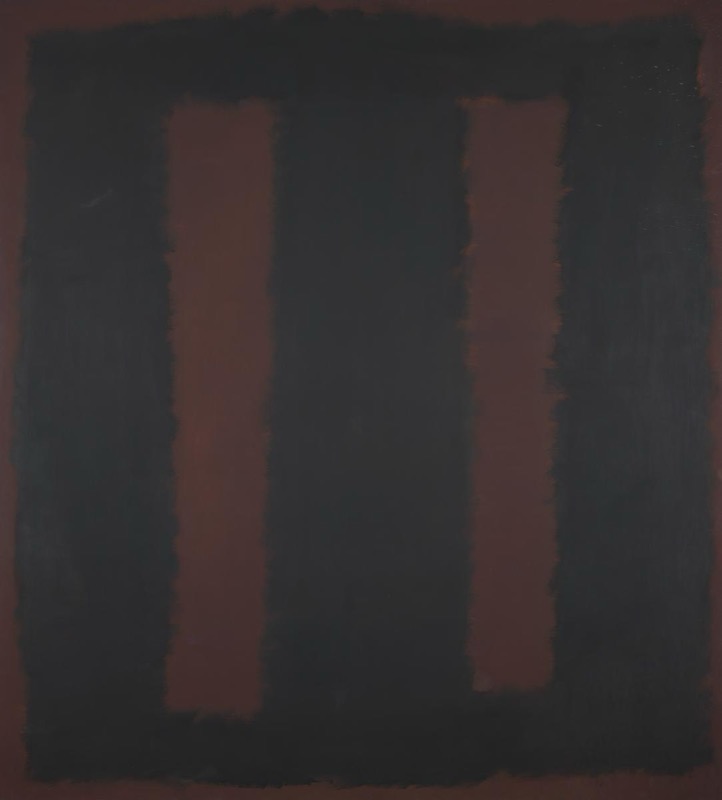
Mark Rothko
Painted in 1958 for a restaurant commission Rothko later rejected, these brooding murals invite deep contemplation. The floating maroon and black forms create a spiritual, chapel-like atmosphere. Rothko intended them to be not just decoration, but an intense emotional experience for the viewer.
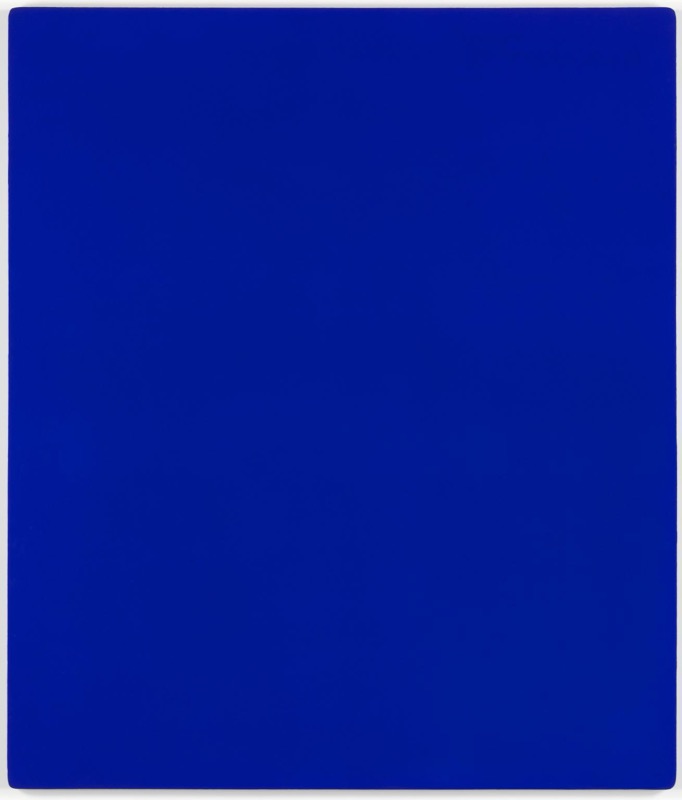
Yves Klein
This 1959 monochrome canvas glows with Klein's patented International Klein Blue. Believing this color held cosmic energy, Klein rejected traditional forms to capture pure, infinite space. It challenges viewers to find meaning in the immaterial and meditative power of a single vibration of color.
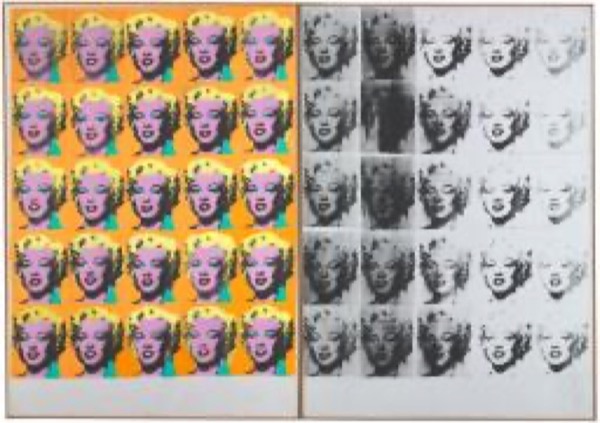
Andy Warhol
Created in 1962 after Marilyn Monroe's death, this work repeats her image 50 times—vibrant on the left, fading to black on the right. Using mass-production silkscreen techniques, Warhol commented on celebrity, mortality, and media saturation, establishing herself as the leading voice of Pop Art.
"Discover the secrets behind Marilyn Diptych and other masterpieces."
Free Audio Tour
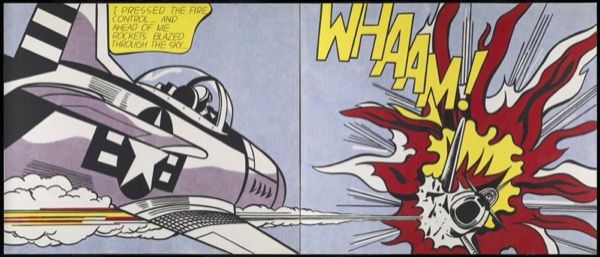
Roy Lichtenstein
This massive 1963 diptych adapts a comic book panel into monument art. Depicting a fighter jet explosion with hand-painted Ben-Day dots, it blurs the line between high art and commercial imagery. It stands as a powerful, ambiguous commentary on American militarism and consumer culture.
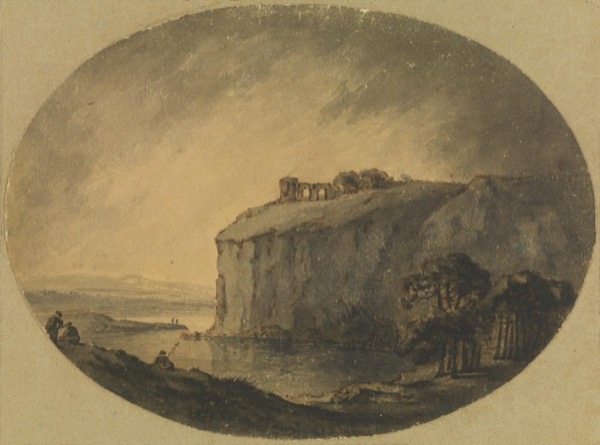
Joan Mitchell
Painted in 1973, this large-scale abstraction explodes with energetic strokes of blue, green, and yellow. A rare female voice in Abstract Expressionism, Mitchell painted "landscapes of feeling." The work captures raw emotional states through aggressive yet lyrical color, proving the enduring power of gestural abstraction.
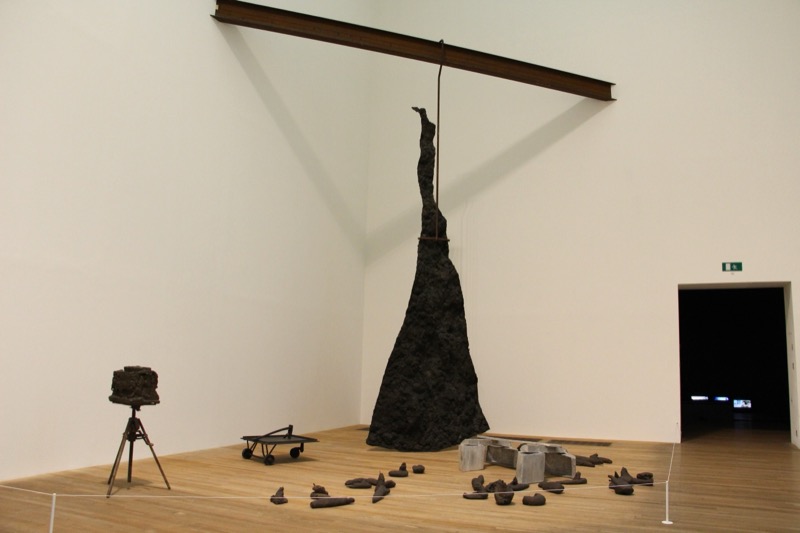
Joseph Beuys
This mysterious installation (1958-85) features a bronze wedge and humble materials, referencing Beuys's personal mythology of survival. The stag symbolizes spiritual transformation, the lightning sudden energy. It exemplifies his belief in "social sculpture"—art as a vehicle for healing and societal change.
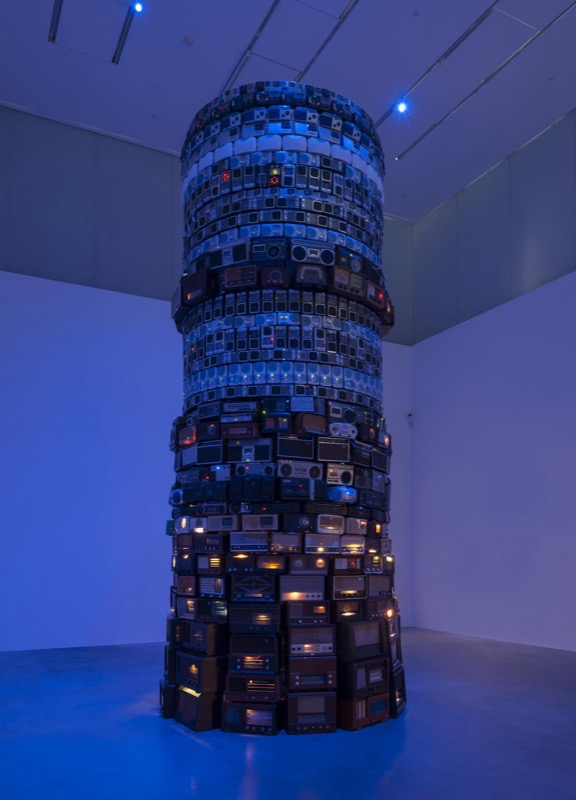
Cildo Meireles
This 2001 tower of hundreds of radios, all tuned to different stations, creates a cacophony of information. referencing the biblical tower, it critiques globalization and media saturation. A monument to communication chaos, it asks how we find meaning in an age of endless noise.
Want audio tours that actually make sense? We focus on the masterpieces that matter and tell you the stories behind them - no art history degree required.
This guide is written by Museums Made Easy, creators of museum audio tours for real visitors.
This guide is part of our museum highlight guides.
Browse all museum highlights →