 Back to home
Last updated Dec 4 2025
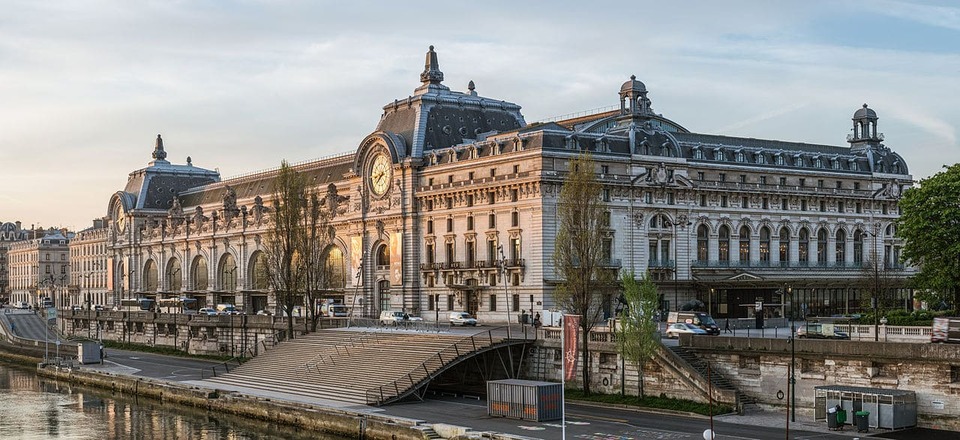
Experience the world's finest Impressionist collection in 60 minutes. This guide focuses on the 10 absolute masterpieces, from Manet's scandalous Olympia to Van Gogh's Starry Night over the Rhône, housed in a spectacular Beaux-Arts railway station.
Planning your Orsay Museum visit?
Your simple audio guide to the 10 must-see masterpieces
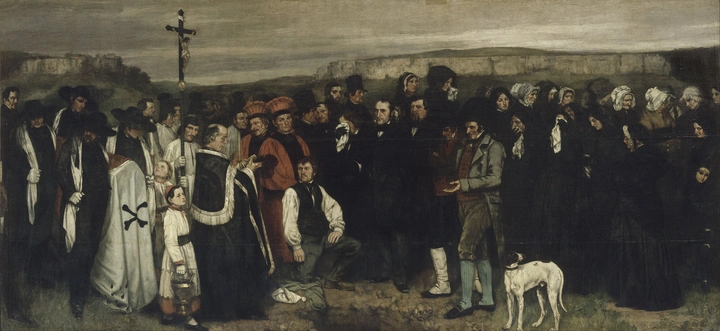
Gustave Courbet
Courbet's 1850 masterpiece scandalized Paris by depicting a rural funeral on a heroic scale. With 50 life-sized figures, it elevated common people to the status of history paintings. This gritty realism rejected Romantic idealism, launching a new artistic movement that championed everyday life.
Listen to our audio tour sample
Enjoying the preview?
Free Audio Tour
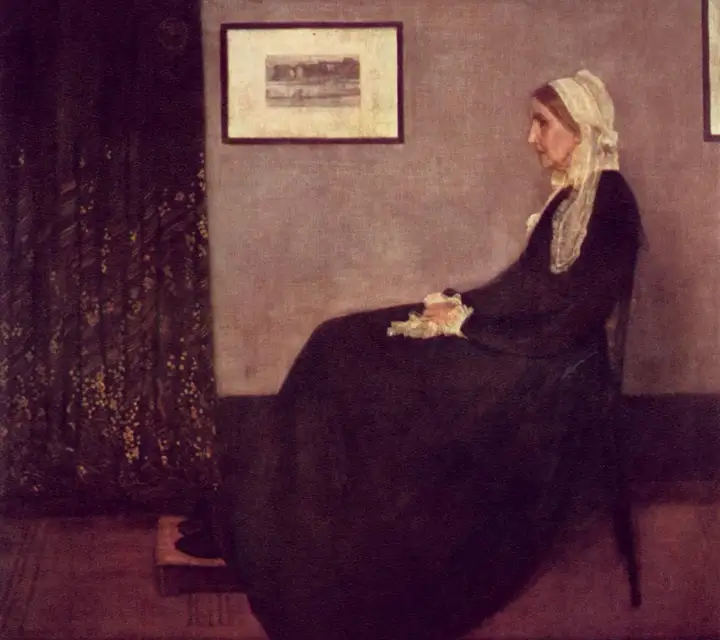
James McNeill Whistler
More than a portrait, Whistler called this an "Arrangement in Grey and Black." Painted in 1871, its austere geometry and muted tones prioritize formal harmony over sentiment. It became an icon of motherhood, but for Whistler, it was a radical experiment in pure composition.
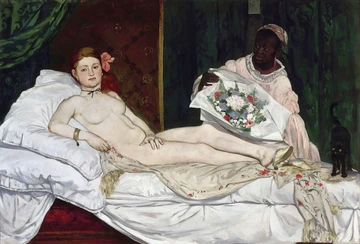
Édouard Manet
The scandal of 1865. Manet's nude stares back with confronting frankness, stripping away mythology to show a modern woman. Her direct gaze and the flat, stark painting style shocked critics but signaled the birth of modern art, challenging the academic tradition of the idealized nude.
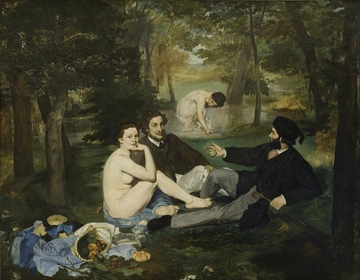
Édouard Manet
A nude woman picnicking with dressed men—Manet's 1863 painting broke every rule. It merged classical references with modern Parisian life, confusing and angering the public. Its flatness and refusal to tell a clear story paved the way for Impressionism.
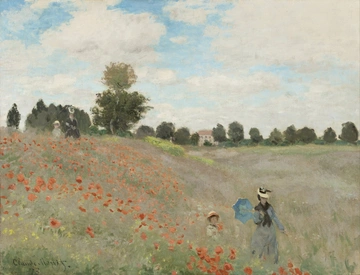
Claude Monet
Monet captures a breezy summer day in 1873 with vibrant, loose brushstrokes. Figures dissolve into the landscape, becoming part of the atmosphere. It epitomizes the Impressionist goal: to capture the fleeting sensation of light and nature rather than precise detail.
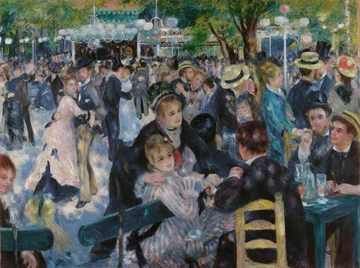
Pierre-Auguste Renoir
Renoir's 1876 masterpiece vibrates with dappled sunlight and joy. Depicting a Sunday dance in Montmartre, it captures the energy of modern Parisian life. The soft, flickering light and fluid brushwork make the canvas feel as alive and moving as the dancers themselves.
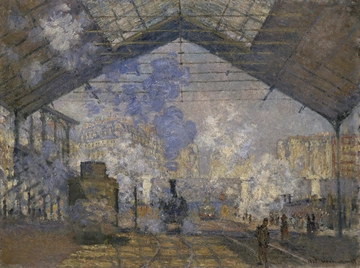
Claude Monet
Monet finds beauty in industrial smoke and steam. Painted in 1877, this work turns a noisy train station into a study of light and atmosphere. It represents the Impressionist embrace of modernity, seeing the poetry in the iron and glass of the new industrial age.
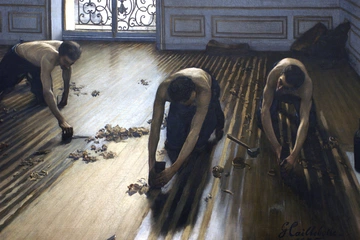
Gustave Caillebotte
Caillebotte brings a cinematic eye to manual labor (1875). The dramatic perspective and realistic detail highlight the physical effort of the workers. Rejected for its "vulgar" subject, it combines the grit of Realism with the light and modern framing of Impressionism.
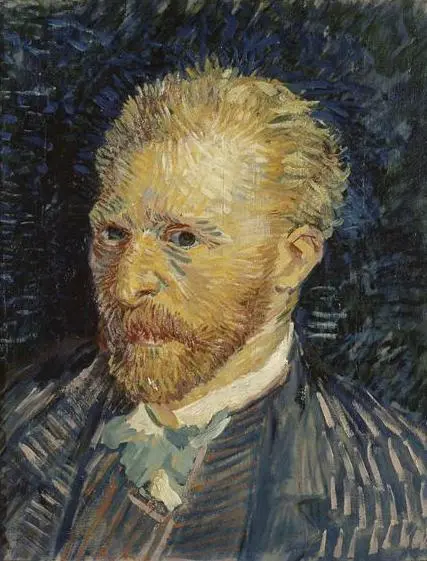
Vincent van Gogh
Van Gogh's intense gaze pierces through swirling blue turbulence. Painted in 1889 at the asylum, it is a testament to his resilience. The energetic, thick brushstrokes reveal his inner state, making this one of the most psychological and haunting self-portraits in art history.
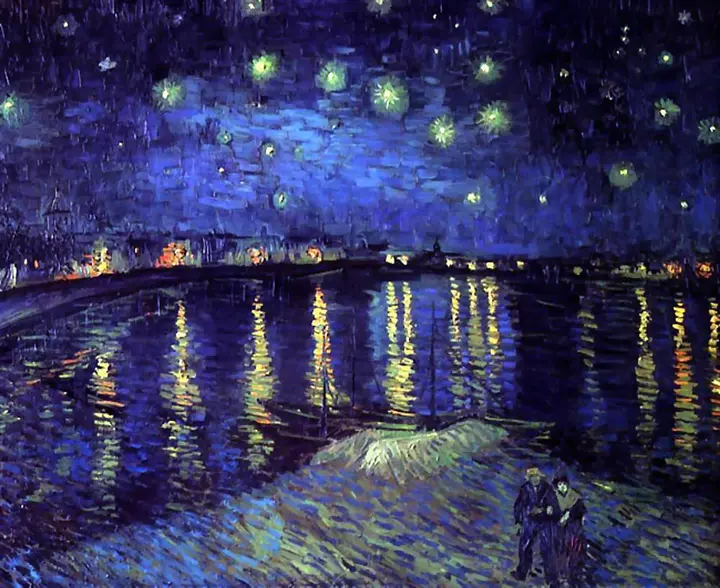
Vincent van Gogh
Before the famous asylum "Starry Night," Van Gogh captured this serene view in Arles (1888). Gas lamps on the river bank rival the starlight, their reflections lengthening in the water. It’s a study in night light, radiating calm and cosmic beauty.
Want audio tours that actually make sense? We focus on the masterpieces that matter and tell you the stories behind them - no art history degree required.
This guide is written by Museums Made Easy, creators of museum audio tours for real visitors.
This guide is part of our museum highlight guides.
Browse all museum highlights →