 Back to home
Last updated Nov 26 2025
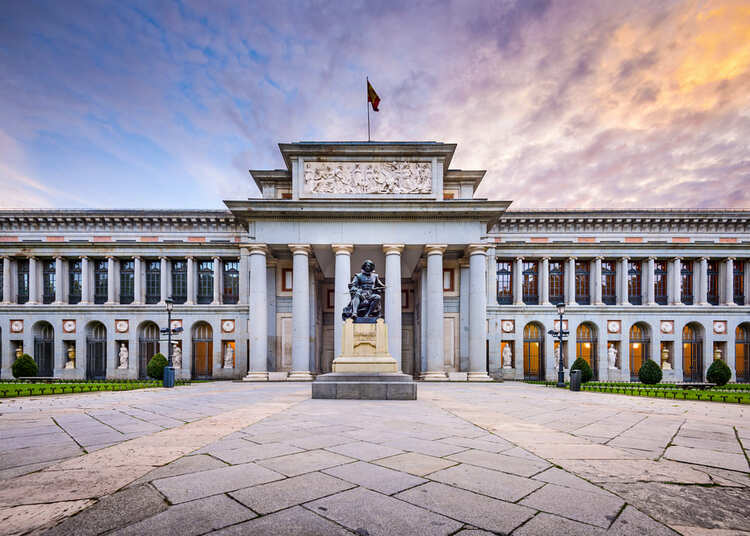
Step into the Spanish Golden Age in 60 minutes. This essential guide navigates you through the Prado’s vast treasures, focusing on the 10 absolute masterpieces. From the royal gaze of Las Meninas to the surreal visions of Bosch, experience the heart of one of Europe’s greatest collections.
Planning your Prado Museum visit?
Your simple audio guide to the 10 must-see masterpieces
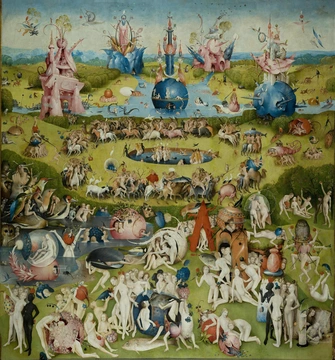
Hieronymus Bosch
Bosch’s surreal masterpiece (c. 1490–1500) remains an enigma. Three panels unfold from Eden to a chaotic Hell, teeming with bizarre hybrid creatures and naked figures. It is a cautionary tale of sin and lust, or perhaps a dream of innocence lost—a visionary work that defies explanation.
Listen to our audio tour sample
Enjoying the preview?
Free Audio Tour
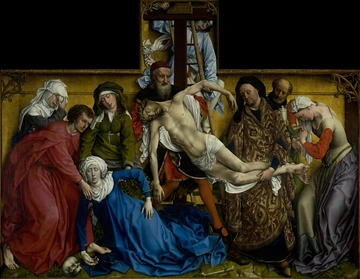
Rogier van der Weyden
Painted c. 1435, this is a masterpiece of emotional realism. Christ’s body is lowered in a rhythm of flowing curves, echoed by Mary’s fainting form. Van der Weyden captures tears and grief with such intensity that the figures seem to breathe, turning a painted scene into lived human tragedy.
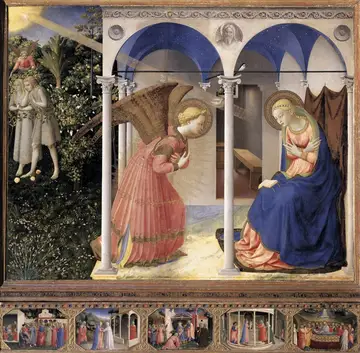
Fra Angelico
A vision of divine calm. Painted c. 1426 for a convent, this altarpiece radiates spiritual purity. The golden light, delicate wings, and humble gestures of Mary and Gabriel bridge the Gothic and Renaissance worlds. It was created to inspire prayer, capturing the holy moment with quiet grace.
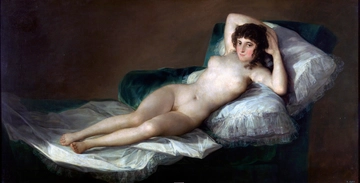
Francisco de Goya
Scandalous and modern. Goya’s nude (c. 1800) stares back with unapologetic confidence, stripped of mythological pretense. Her identity is a mystery, but her gaze is undeniable. This painting challenged the morality of its time, landing Goya before the Inquisition for its brazen celebration of the female form.
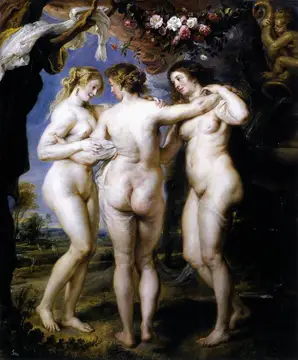
Peter Paul Rubens
Rubens’ ode to abundance and joy. Painted late in life (c. 1630–35), these dancing goddesses embody his ideal of beauty—soft, glowing, and full of vitality. The swirling composition and warm flesh tones celebrate life and friendship, a personal treasure the artist kept in his own collection until death.
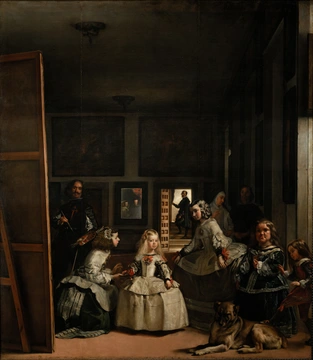
Diego Velázquez
The world’s most complex painting about painting. Velázquez (1656) depicts a court scene where he looks out at us, while the King and Queen are reflected in a mirror. Who is watching whom? It is a brilliant puzzle of perspective and power that invites the viewer to step inside the royal chamber.
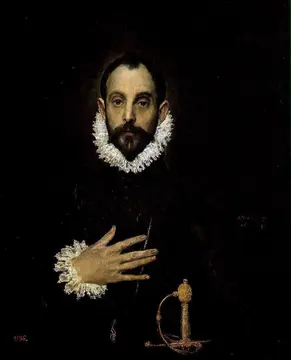
El Greco
A soul laid bare. This iconic portrait (c. 1580) captures the spiritual intensity of the Spanish Golden Age. The elongation, the solemn gaze, and the hand over the heart suggest a sacred oath. El Greco strips away background detail to focus entirely on the nobleman’s inner dignity and faith.
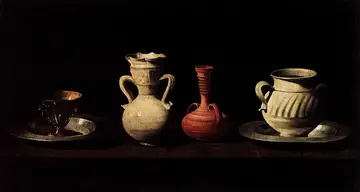
Francisco de Zurbarán
Silence in paint. Zurbarán (c. 1650) turns four humble details—cups and jugs—into a spiritual meditation. The stark lighting and masterful textures give these simple objects a monumental, sacred presence. It is a masterpiece of Spanish mysticism, finding the divine in the everyday.
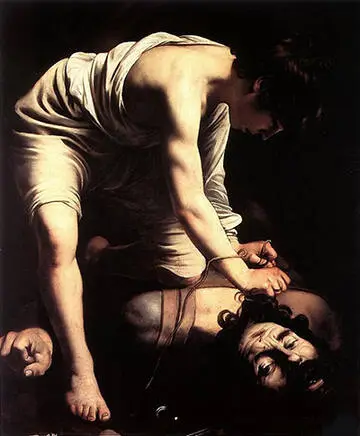
Caravaggio
Victory and tragedy intertwined. Caravaggio (c. 1600) uses his signature dramatic light to show David holding the giant’s severed head. But the triumph is somber; David looks on with pity. The severed head is believed to be a self-portrait of the artist—a haunting confession of his own tormented life.
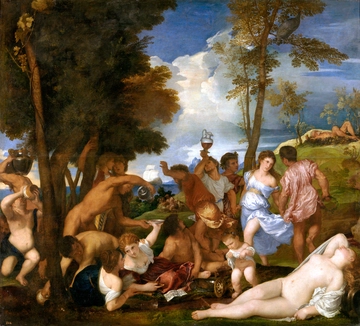
Titian
A feast for the senses. Titian (1523–26) brings a mythological wine party to life with rich colors and dynamic movement. The islanders of Andros drink, dance, and sleep in a lush landscape. It is a celebration of human pleasure and the pagan joy of antiquity, painted by the master of Venetian color.
Want audio tours that actually make sense? We focus on the masterpieces that matter and tell you the stories behind them - no art history degree required.
This guide is written by Museums Made Easy, creators of museum audio tours for real visitors.
This guide is part of our museum highlight guides.
Browse all museum highlights →