 Back to home
Last updated Dec 4 2025
Trace Van Gogh’s evolution in 60 minutes. This guide covers his 10 most essential works, from the dark, early "Potato Eaters" to the vibrant "Sunflowers" and the haunting "Wheatfield with Crows." Witness the dramatic transformation of the artist’s life and style.
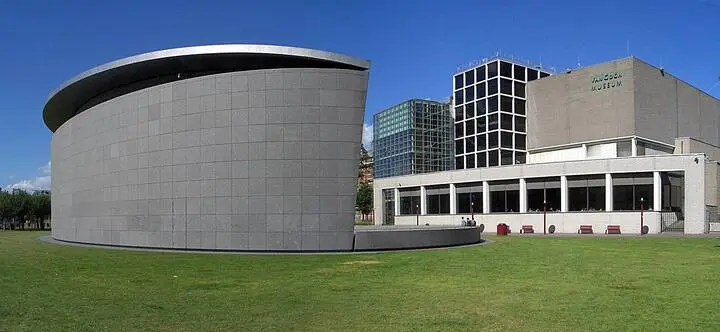
Planning your Van Gogh Museum visit?
Your simple audio guide to the 10 must-see masterpieces
Vincent van Gogh
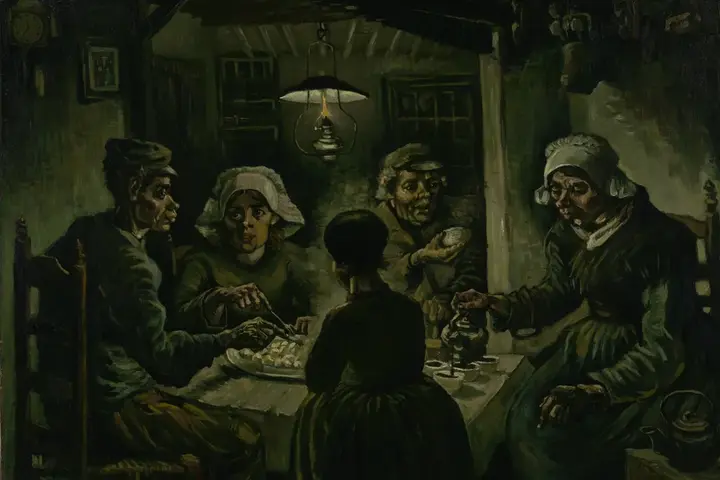
Painted in 1885, this dark and earthy work depicts peasants sharing a meager meal. Van Gogh used rough brushwork to convey the harshness of rural life and the dignity of manual labor. It marks his early period before he discovered the vibrant colors of Impressionism.
Listen to our audio tour sample
Enjoying the preview?
Free Audio Tour
Vincent van Gogh
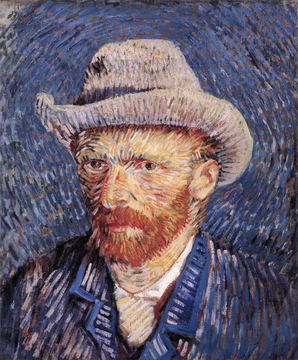
Painted in Paris (1887), this self-portrait shows Van Gogh’s transformation. Having discovered Impressionism, his palette exploded with color. The background swirls with short, directional brushstrokes in orange, blue, and green, framing his intense gaze.
Vincent van Gogh
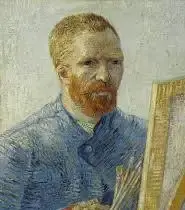
In this confident 1888 portrait, Van Gogh identifies himself as a professional artist, holding palette and brushes. The bold brushwork and mastery of complementary colors (red beard against blue-green background) declare his new artistic identity and determination.
Vincent van Gogh
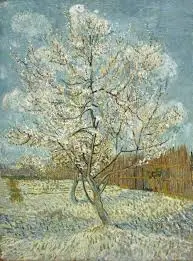
Painted in Arles (1888), this joyful work celebrates spring. Enchanted by the blossoming orchards and clear southern light, Van Gogh painted the pink tree against a vivid blue sky, capturing the optimism of his early days in the south of France.
Vincent van Gogh
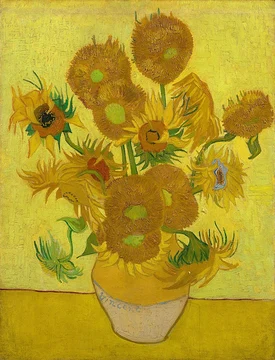
One of art history's most iconic images (1888). Van Gogh painted these radiant yellow sunflowers to decorate the room for Paul Gauguin. The thick, sculptural paint and blazing yellows symbolize friendship, gratitude, and the vitality of life itself.
"Discover the secrets behind Sunflowers and other masterpieces."
Free Audio Tour
Vincent van Gogh
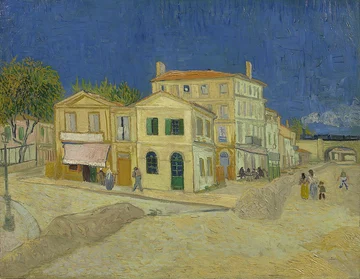
Painted in 1888, this house in Arles was Van Gogh’s dream studio, where he hoped to build an artists’ community. Glowing against a cobalt sky, the yellow building represented his hope for a bright future—a dream that tragically collapsed weeks later.
Vincent van Gogh
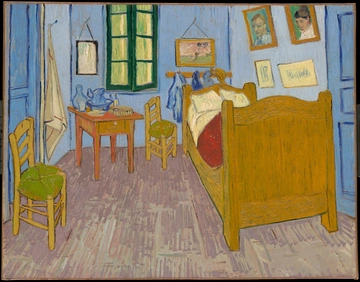
Van Gogh’s famous bedroom in Arles (1888). He used simplified forms and bright, flat colors inspired by Japanese prints to convey "absolute rest." The vivid, slightly skewed perspective makes the room feel personal, inviting, and emotionally charged.
Vincent van Gogh
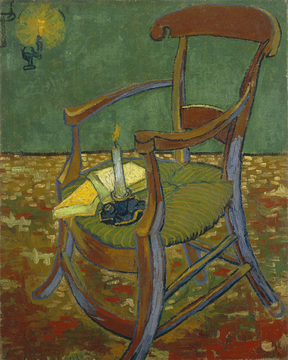
A symbolic portrait of his friend and rival, Paul Gauguin (1888). The empty armchair, with a candle and books, represents Gauguin’s absence and intellectualism. Painted just before their dramatic split, it is a poignant meditation on friendship and loss.
Vincent van Gogh
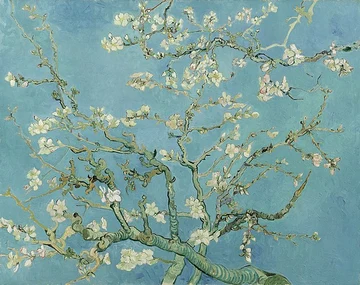
Painted in 1890 to celebrate his nephew’s birth, this is one of Van Gogh’s most tender works. The delicate white blossoms against a turquoise sky show clear Japanese influence, symbolizing new life, hope, and resilience during his time in the asylum.
Vincent van Gogh
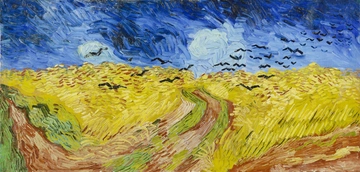
Painted weeks before his death (1890), this turbulent landscape is an icon of the artist’s inner turmoil. Ominous crows fly over golden wheatfields under a dark, stormy sky. It captures both the intense beauty of nature and profound emotional isolation.
Want audio tours that actually make sense? We focus on the masterpieces that matter and tell you the stories behind them - no art history degree required.
This guide is written by Museums Made Easy, creators of museum audio tours for real visitors.
This guide is part of our museum highlight guides.
Browse all museum highlights →