 Back to home
Last updated Nov 26 2025
See the birthplace of modern art in 60 minutes. This guide skips the crowds to focus on the 10 most game-changing works at the Museum of Modern Art. From Van Gogh's "Starry Night" to Warhol's soup cans, discover the masterpieces that broke all the rules and defined the world we live in today.
Planning your Museum of Modern Art (MoMA) visit?
Your simple audio guide to the 10 must-see masterpieces
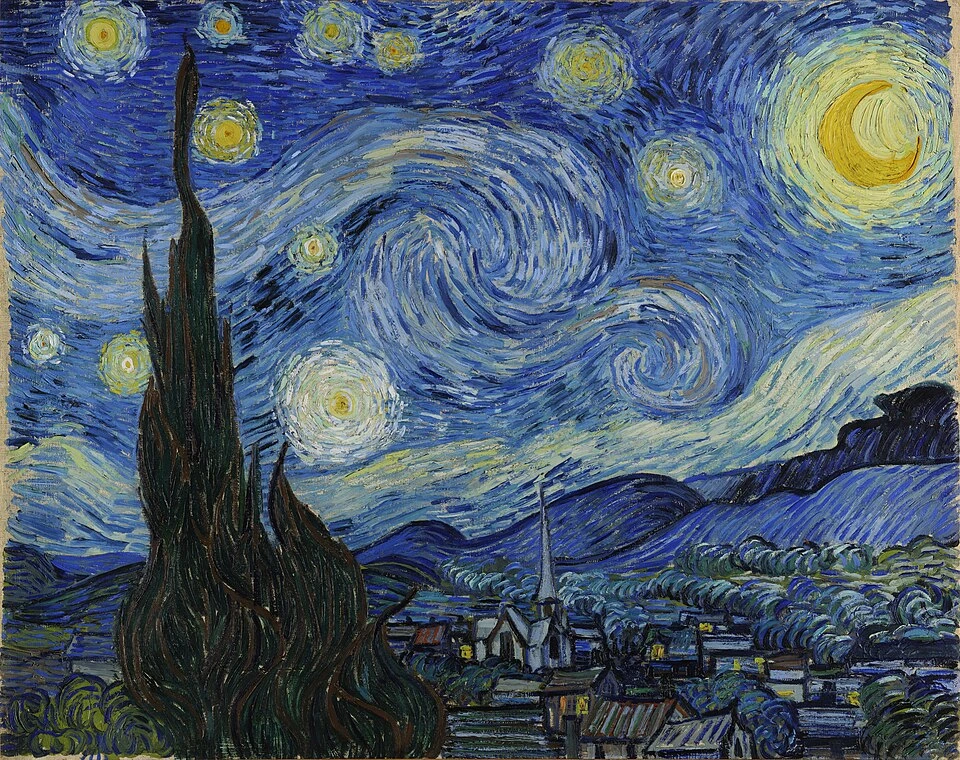
Vincent van Gogh
Painted in 1889 from an asylum window, this swirling masterpiece turns a night sky into a psychological explosion. The pulsing stars and flame-like cypress tree express emotion through pure movement and color. It remains art history's most famous vision of turbulent beauty found in darkness.
Listen to our audio tour sample
"Discover the secrets behind The Starry Night and other masterpieces."
Free Audio Tour
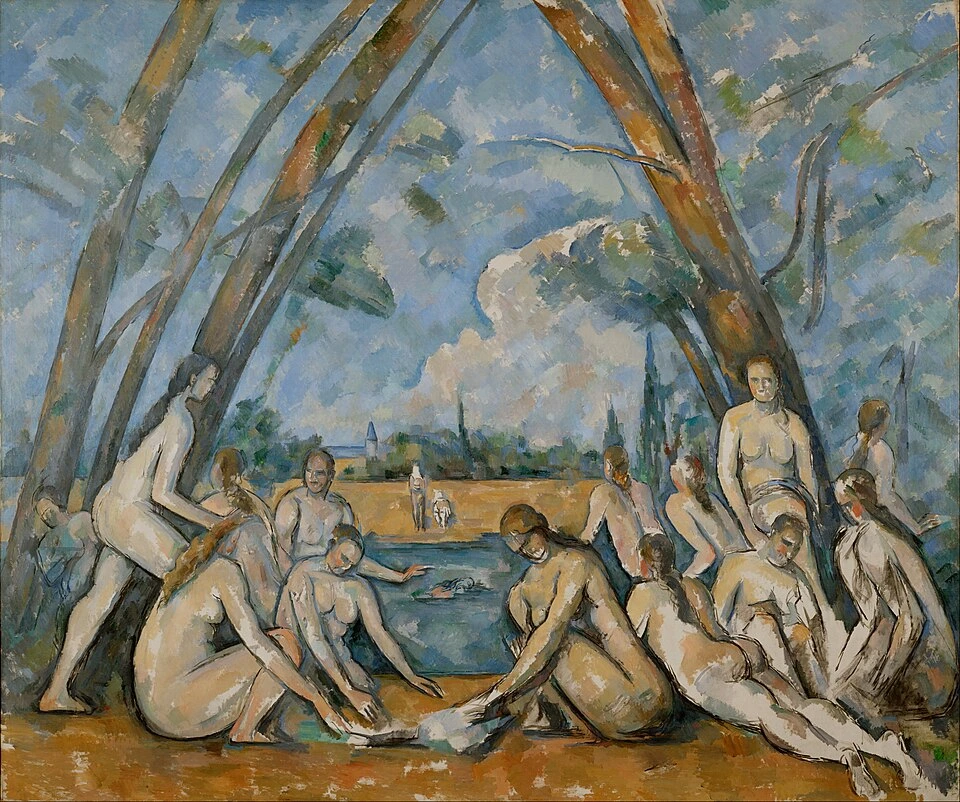
Paul Cézanne
This solitary figure (c. 1885) bridges traditional art and modernism. Cézanne builds the bather and landscape from geometric planes and bold brushstrokes, valuing structure over realistic detail. His fractured perspective paved the way for Cubism, proving that painting could reconstruct reality rather than just copy it.
Listen to our audio tour sample
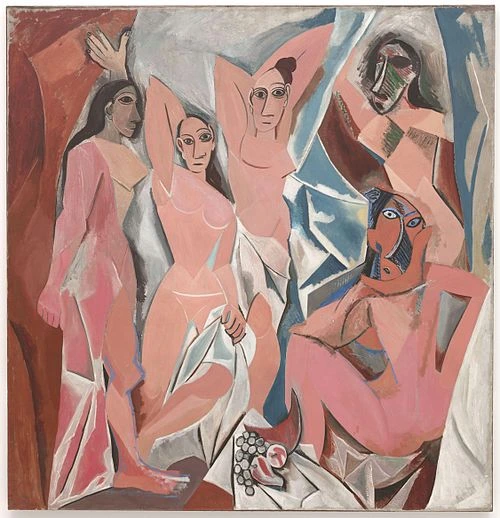
Pablo Picasso
This 1907 bombshell shattered 500 years of perspective. Picasso depicted five nude figures with jagged forms and mask-like faces inspired by African art. By showing bodies from multiple angles at once, he launched Cubism and declared that painting was no longer about pleasing illusions, but radical truth.
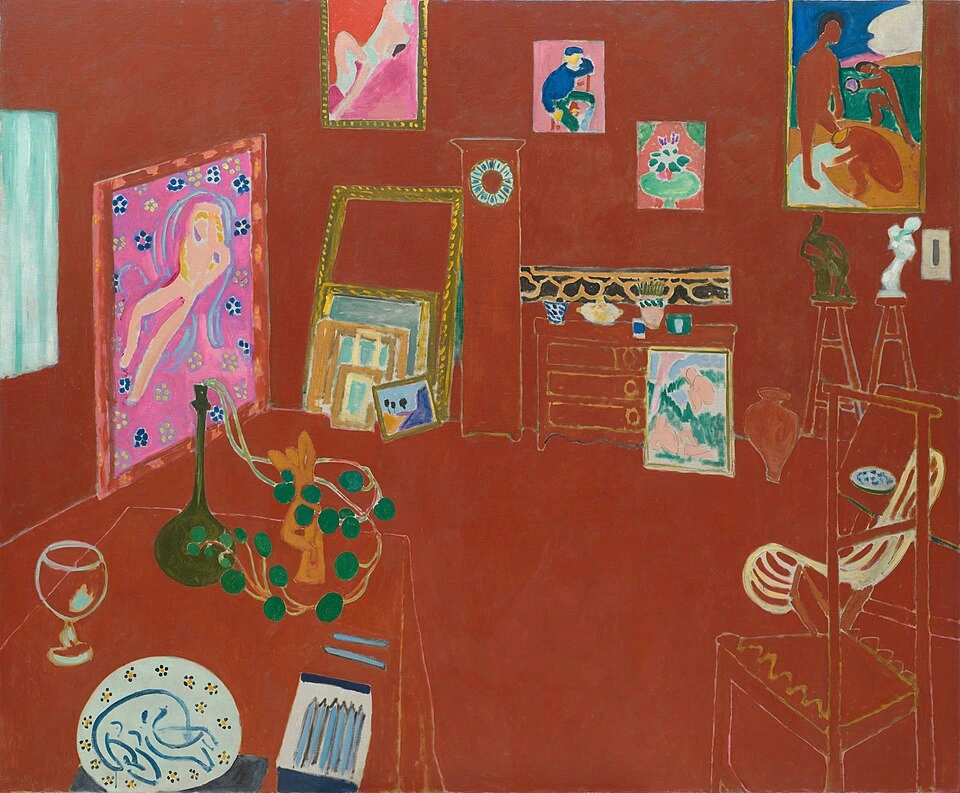
Henri Matisse
In this 1911 masterpiece, Matisse dissolves his studio into a field of saturated red. Furniture and art float in this "negative space" created by gaps in the color. It’s a bold declaration that color itself is structure, atmosphere, and emotion—a flat, decorative reality that influenced all abstract art to come.
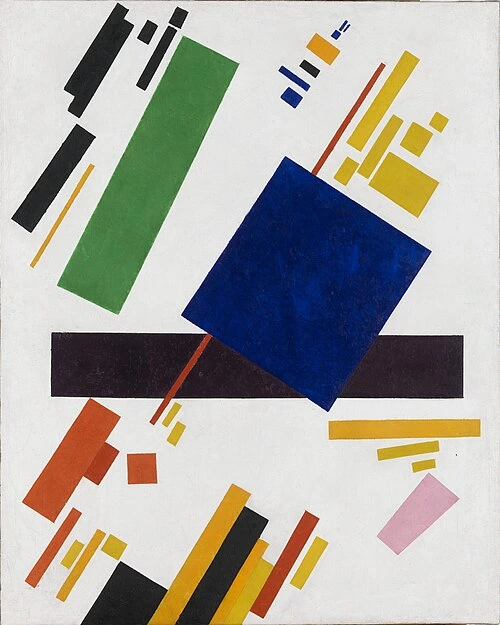
Kazimir Malevich
A 1918 icon of absolute minimalism. A tilted white square floats on a slightly warmer white background. Malevich stripped away all subject and color to reach "pure feeling." It challenged the world to see art not as a picture of something, but as a spiritual experience of space and infinity.
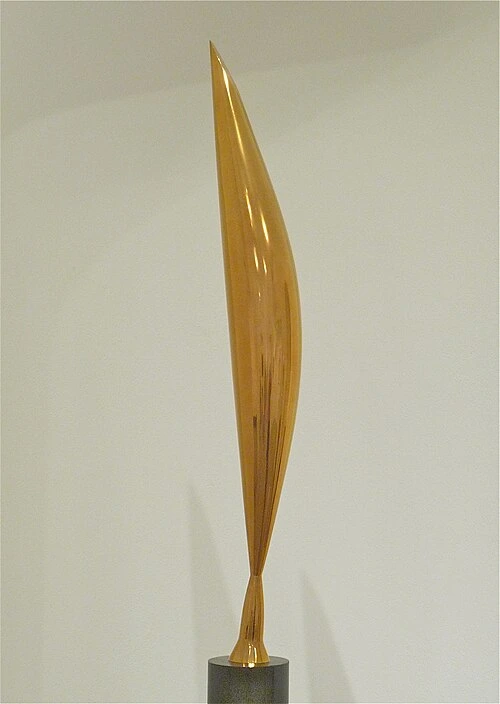
Constantin Brâncuși
Not a bird, but the essence of flight. This 1928 polished bronze sculpture reduces form to a single soaring curve. Brâncuși eliminated all wings and feathers to capture movement and grace. Its mirror-like surface dissolves the heavy metal into light, making the sculpture feel weightless and alive.
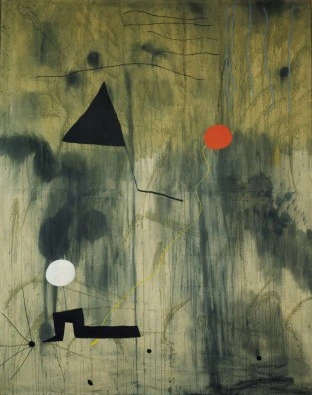
Joan Miró
Miró's 1925 canvas is a dreamscape of creation. On a hazy, poured background, he loosed his subconscious to draw floating red stars, black lines, and balloons. It’s "automatic painting"—art bypassing reason to capture the raw, poetic logic of dreams and the playful chaos of a world coming into being.
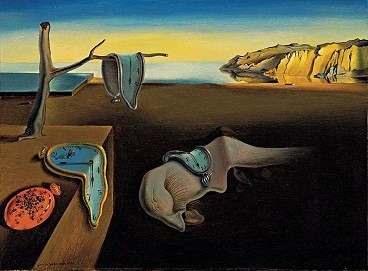
Salvador Dalí
The world's most famous surrealist image (1931). In a dreamlike landscape, pocket watches melt like cheese, infested by ants. Dalí rendered the impossible with photographic realism, challenging our faith in time and reality. It's a small but unforgettable window into the irrational, where the hard world goes soft.
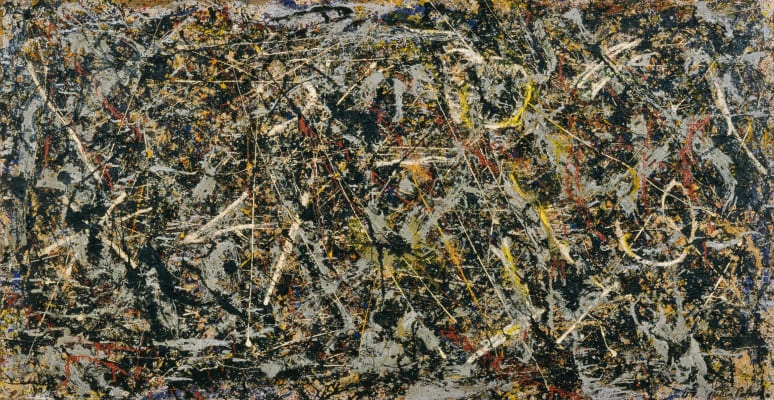
Jackson Pollock
A monumental explosion of energy. Pollock flung paint onto this 17-foot canvas on the floor, creating a dense web of "energy made visible." There is no focus, only the rhythmic record of the artist's dance. It shifted art (1950) from portraying an image to recording an event—the physical act of creation itself.
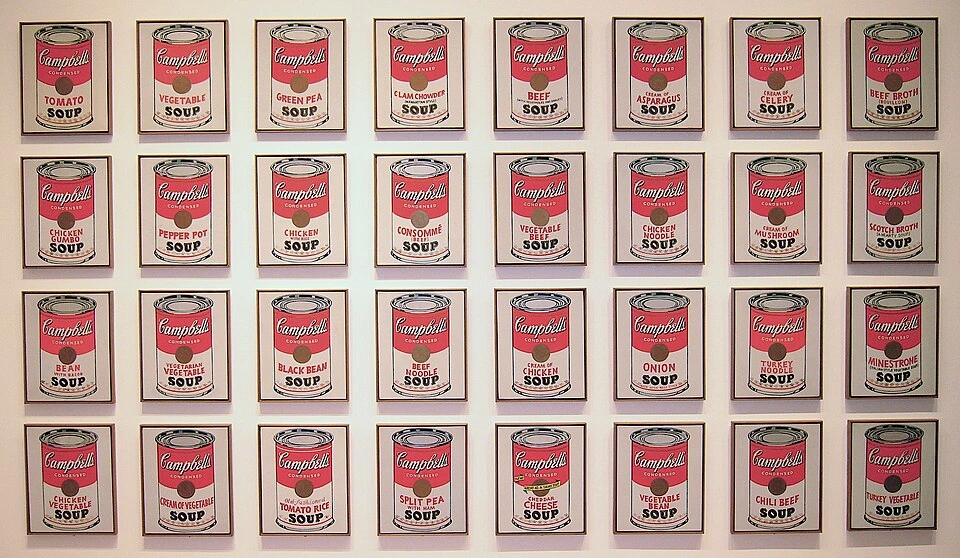
Andy Warhol
32 canvases, one for each flavor. In 1962, Warhol turned a supermarket shelf into fine art. By painting commercial packaging with machine-like repetition, he erased the line between high culture and advertising. A deadpan critique (or celebration?) of American consumerism that launched Pop Art and changed aesthetics forever.
Want audio tours that actually make sense? We focus on the masterpieces that matter and tell you the stories behind them - no art history degree required.
This guide is written by Museums Made Easy, creators of museum audio tours for real visitors.
This guide is part of our museum highlight guides.
Browse all museum highlights →